


-
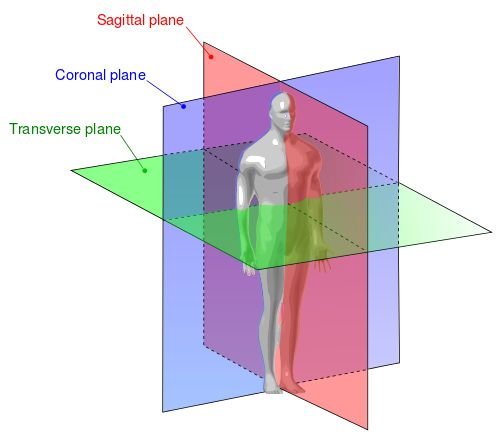
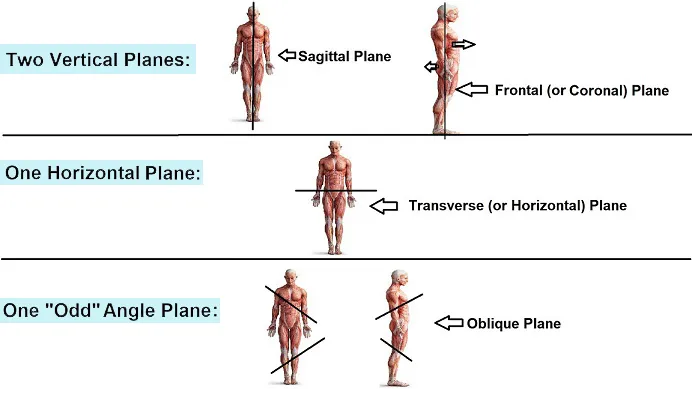
- Sagittal Plane: Divides the body into right and left halves, encompassing flexion and extension movements (forward and backward).
- Frontal Plane: Divides the body into anterior and posterior sections, encompassing abduction, adduction, and lateral flexion movements (side-to-side).
- Transverse Plane: Divides the body into upper and lower sections, encompassing all rotational movements.
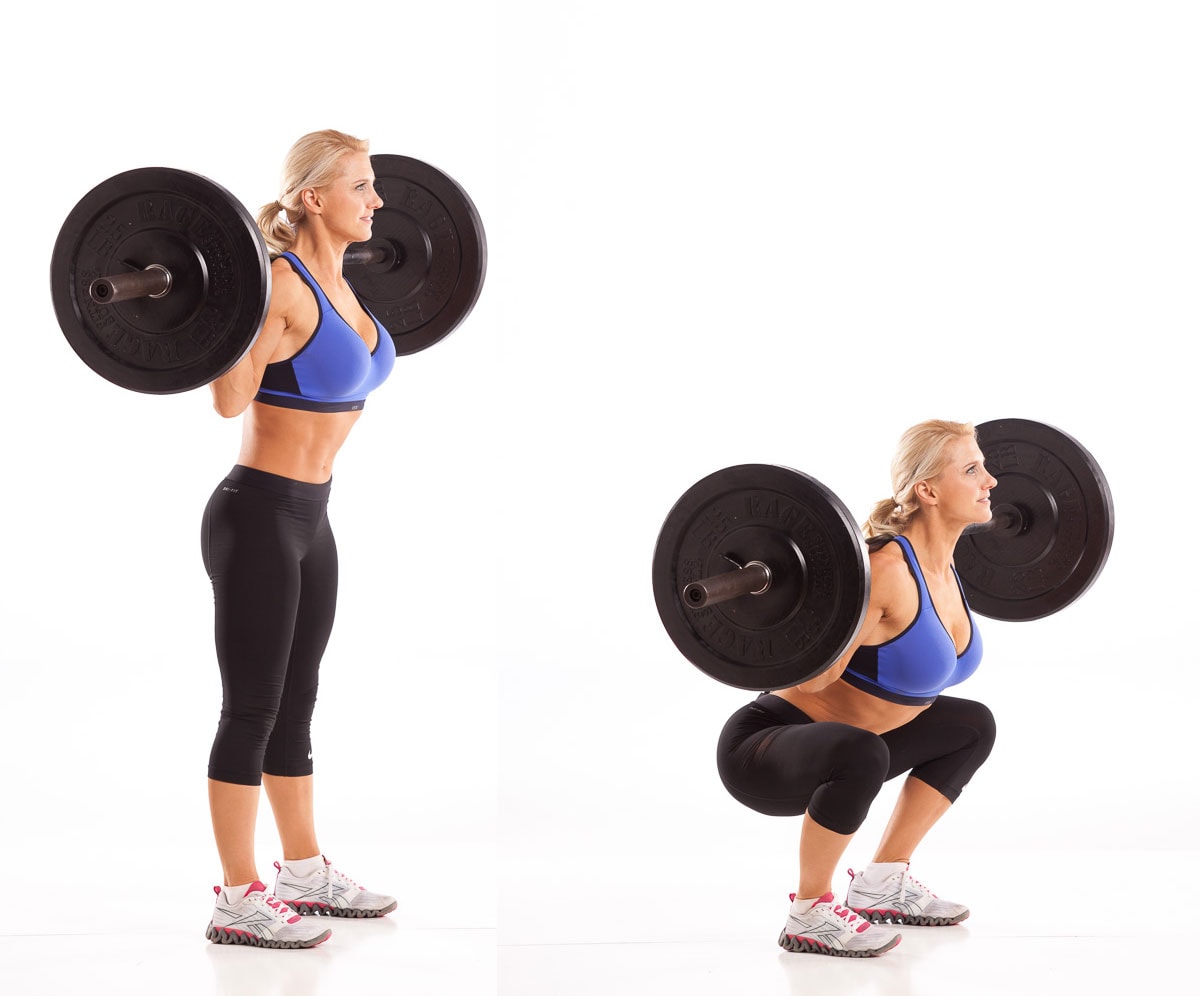
During a traditional Back Squat, the torso remains stabilized in a neutral position while the lower limbs perform flexion and extension at the ankle, knee, and hip joints. Because the movement occurs parallel to the sagittal plane without intentional lateral or rotational displacement, the back squat (much like traditional lunges) is classified as a sagittal plane exercise.
Unilateral stance exercises, such as the Single-Leg Squat and single-leg deadlift variations, transform a seemingly linear movement into a purely three-dimensional one. With only one lower limb in contact with the ground, strong rotational and lateral tilt torques develop at the pelvis. To resist gravity and maintain alignment, the neuromuscular system intensively recruits the hip abductors and external rotators (such as the gluteus medius), activating both the frontal and transverse planes simultaneously.
- Progression: In the single-leg squat, increasing the range of motion (ROM) is done progressively to establish hip joint control before adding any external resistance. Holding two light dumbbells (e.g., 5 kg) in front of the body can serve as a counterbalance, facilitating the shift of the center of gravity toward the heel.

Based on the methodology of physical therapist Gray Cook, the RNT technique involves applying an external force onto a uniplanar exercise to “force” the neuromuscular system to react reflexively across the remaining planes. For instance, by applying a pulling force via a resistance band toward hip adduction or abduction during a lunge, the trainee is compelled to activate stabilizing forces across multiple planes to maintain proper knee and torso alignment.

Diagonal chops and lifts are multi-planar exercises that utilize the diagonal spiral chains of the upper limbs, shoulders, torso, hips, and lower limbs. They are performed from standing, kneeling, seated, or lunge positions, utilizing cable pulleys or medicine balls (for plyometric applications). The standing position creates a closed kinetic chain in the lower limbs and requires active core stabilization to maintain a neutral lumbar lordosis. In this way, forces are absorbed by the muscular system through controlled eccentric loading, protecting the ligaments and intervertebral discs from shear and compressive stresses. A similar three-dimensional challenge is achieved through dynamic exercises, such as a lunge with a diagonal medicine ball chop.

Training Application & Neuromuscular Coordination
Three-dimensional exercises elicit a high degree of neuromuscular stimulation, as they require the coordination of multiple neural impulses in a strict temporal sequence. For this reason, they are utilized both in motor re-education and rehabilitation, as well as in enhancing athletic performance—either independently or combined with uniplanar exercises (e.g., alternating traditional squats and single-leg squats in consecutive training sessions).
Conclusion
Merely activating multiple muscles simultaneously is not enough to improve functionality. True injury prevention requires exercises that respect the anatomical activation sequence of muscle slings and replicate the real biomechanical demands of human movement.
At New Life Health Center, our specialized exercise science professionals assess your individual movement patterns and design personalized three-dimensional strengthening programs, ensuring peak performance and complete protection of your musculoskeletal system.