

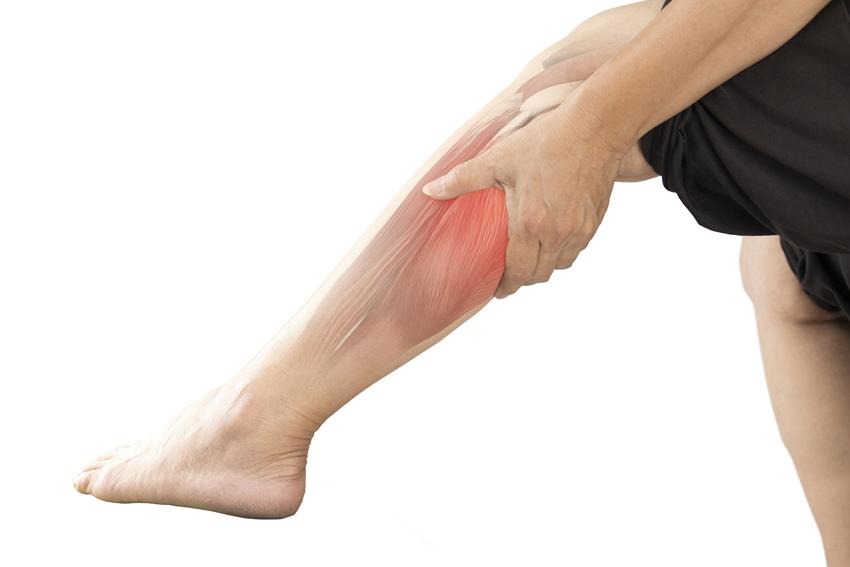
Delayed Onset Muscle Soreness (DOMS), clinically referred to as post-exercise muscle soreness or “muscle fever,” is a common physiological response following intense, unaccustomed, or non-systemic physical exertion. It typically manifests 24 hours post-exercise, peaks between 48 and 72 hours, and can persist for up to a week in extreme cases. The affected muscle groups present localized tenderness, structural weakness, and a reduced range of motion (ROM).
Below is a comprehensive, objective synthesis of the physiological mechanisms, diagnostic protocols, management strategies, and preventative measures surrounding DOMS, based on current clinical literature.
Physiological Mechanisms & Pathophysiology
The primary catalyst for DOMS is abrupt or excessive mechanical and metabolic loading, particularly involving high forces, fast velocities, and eccentric (lengthening) muscle contractions—often referred to as plyometric loads. When muscle tissue is exposed to workloads exceeding its current capacity (typically after a sedentary period of 4 to 6 weeks), the following cascade occurs:
-
- Microtrauma: The sudden overload induces structural micro-tears in the myofibrils and muscle fibers.
- Biochemical Biomarkers: This structural disruption causes an elevation of specific intracellular enzymes in the bloodstream, such as Creatine Phosphokinase (CPK) and Lactate Dehydrogenase (LDH), which serve as direct clinical indicators of muscle damage.
- Tissue Remodeling: The initial inflammatory response triggers the degradation of damaged fibers and their subsequent replacement by new, more resilient myofibrils specifically adapted to the imposed exercise stimulus.
Clinical Diagnosis
In the vast majority of cases, DOMS is a self-limiting condition that resolves spontaneously without medical intervention. However, if symptoms persist beyond a normal timeframe or are accompanied by severe, acute pain, a clinical evaluation by a specialized orthopedic physician or physical therapist is required. Differential diagnosis is necessary to rule out more severe musculoskeletal injuries, such as joint trauma, high-grade muscle strains, or structural muscle tears.
Therapeutic Interventions: Efficacy vs. Inefficacy
Numerous modalities are utilized to manage DOMS symptoms, though their therapeutic value varies significantly:
Non-Recommended Interventions
-
- Non-Steroidal Anti-Inflammatory Drugs (NSAIDs): Clinical data shows that NSAIDs do not act prophylactically. While they may mitigate subjective pain perception, they do not resolve muscle weakness. Crucially, by suppressing the inflammatory cascade, they delay physiological muscle healing and potentially blunt post-exercise muscle hypertrophy.
- Aggressive Stretches & Deep Tissue Massage: Intense mechanical manipulation can exacerbate the existing micro-tears in the muscle fibers, thereby worsening the symptoms.
Marginally or Temporarily Effective Interventions
-
- Light Massage & Active Recovery: Mild massage and low-intensity exercise offer transient relief by increasing localized blood flow, which aids in flushing out metabolic byproducts.
- Foam Rolling: Self-myofascial release via foam rolling provides temporary symptomatic relief through improved local circulation and neural modulation.
- Electrotherapy (TENS) & Ultrasound: The application of Transcutaneous Electrical Nerve Stimulation or therapeutic ultrasound provides only transient, short-term pain relief without accelerating tissue repair.
- Vibration Therapy: Preliminary research indicates positive outcomes in reducing soreness through localized or whole-body vibration, though mechanisms remain under study.
- Thermal Therapies (Cryotherapy vs. Thermotherapy): Contrast data exists for both cold and heat applications. While both modalities are widely used, conclusive and definitive evidence establishing their superiority in accelerating structural healing remains limited.
Nutritional & Supplemental Strategies
-
- Post-Exercise Macronutrients: Consuming a targeted carbohydrate-to-protein snack (in a 4:1 ratio) immediately post-exercise supports muscle glycogen replenishment and initiates protein synthesis.
- Dietary Agents: Tart cherry juice, pineapple (containing bromelain), and watermelon (rich in l-citrulline) have been proposed to mitigate systemic soreness.
- Supplements: Branched-Chain Amino Acids (BCAAs), glutamine, leucine, and Beta-Hydroxy Beta-Methylbutyrate (HMB) are marketed for their protective and anti-catabolic properties. While some clinical trials show encouraging trends, robust systemic data confirming their therapeutic efficacy is currently insufficient.
- Hydration Status: While acute dehydration exacerbates muscle soreness and systemic fatigue, hyper-hydrating before or after exercise does not actively reduce the baseline severity of DOMS.
Evidence-Based Prophylaxis and Prevention
Preventing DOMS cannot be achieved through pharmacological means, such as anti-inflammatory drugs. However, recent preliminary data suggests a potential prophylactic effect from the administration of antihistamines, though this requires further clinical validation.
Systemic predisposing factors that actively increase the intensity and duration of DOMS include:
-
- Vitamin D deficiency
- Sleep deprivation
- Chronic psychological or metabolic stress
- Compromised immune function
While substances such as caffeine, tea, curcumin, piperine, and omega-3 fish oils—along with dynamic warm-ups and pre-exercise stretching—are frequently recommended for prophylaxis, they lack definitive empirical backing.
The Repeated Bout Effect
The most scientifically verified preventative mechanism against DOMS is the physiological adaptation resulting from prior exposure to the same exercise stimulus. Under the Repeated Bout Effect, a single bout of eccentric exercise provides a protective window against subsequent muscle soreness lasting approximately four weeks.
Conclusions
-
- The Myth of Soreness: Muscle soreness is not a mandatory indicator of athletic progression. The presence of DOMS does not correlate with optimal gains in muscular strength or endurance, nor does it accelerate physiological performance adaptations.
- Progressive Overload: The only definitive, evidence-based method to mitigate muscle damage and prevent severe DOMS is the application of systematic, progressive training volume. Exercises must be structured with prudent advancements in load, velocity, and eccentric complexity.
- Systemic Optimization: Prior to undertaking high-intensity physical training, individuals should address underlying metabolic and lifestyle variables—specifically optimizing sleep hygiene, maintaining adequate Vitamin D levels, and controlling systemic stress—to ensure an efficient muscular recovery timeline.